Ability and Capability
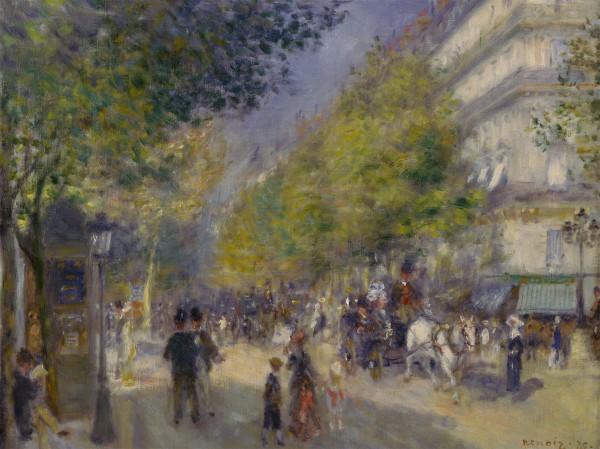
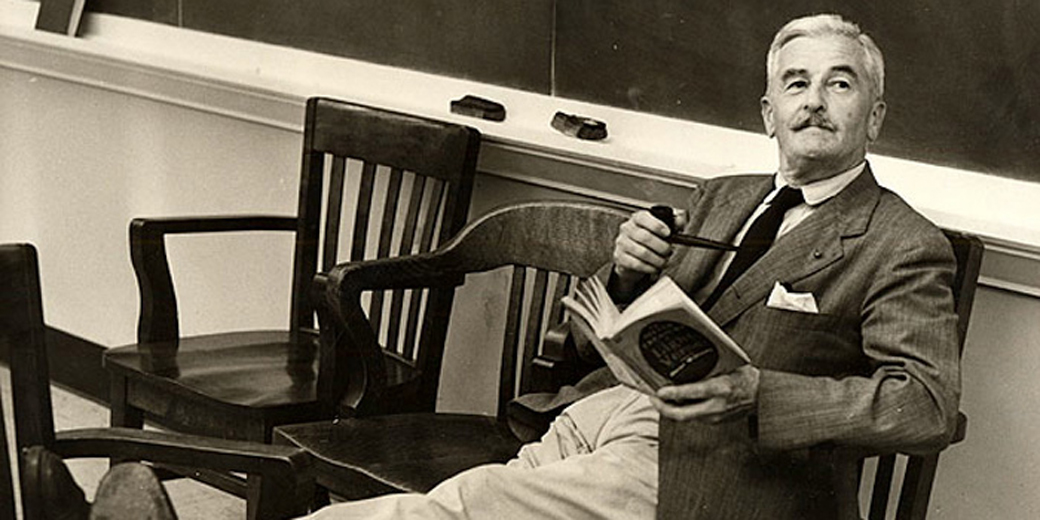
There’s nothing magical about the talent of the “great” writers, or artists. They didn’t take a magic potion every morning (from what we know), nor were born with alien genes, and I can guess they ate proteins and fats and carbohydrates just like you. To say that you could never become as good an artist as they—as good a writer as Faulkner, or cellist as Casals, or painter as Renoir, or whichever artist you, only in dreams, aspire to equal—is just a lie.
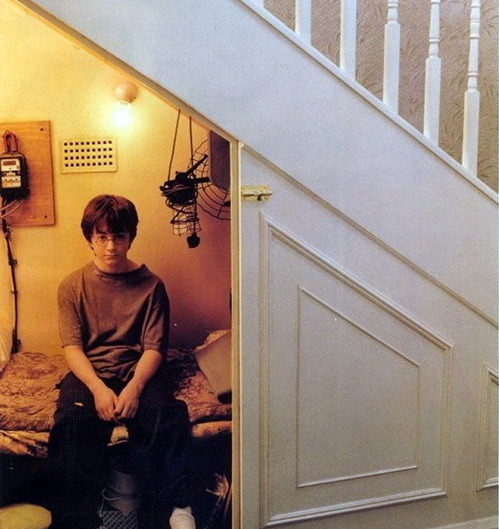
About six years ago, when I first began writing seriously, I set up my desktop computer in my closet, which, in the nature of closets, is no large room. To write, I sat on a wooden chest hunched under my hanging clothes, with this 30-inch monitor and towering PC set on a plywood board wedged between the walls of the closet. That’s where I wrote, with the doors shut and the space pitch dark besides the computer monitor, and I wrote hundreds of pages of a fantasy novel there. The experience would have been magical if my neck hadn’t hurt.
On my PC I had installed some music writing software called Finale, where you can click-in your notes into digital sheet music and it plays back the tunes with synthesized instruments. When I wasn’t writing stories, I fooled around with the software, composing little pieces (usually for lute) and folkish songs my characters might sing around a fire. It became a kind of hobby, and I would usher members of my family into the space and clip the headphones over their ears and play them my masterpieces. “Very good, coming along,” they would say. “It has real potential.” And once they left I would sit back down with renewed motivation to improve.
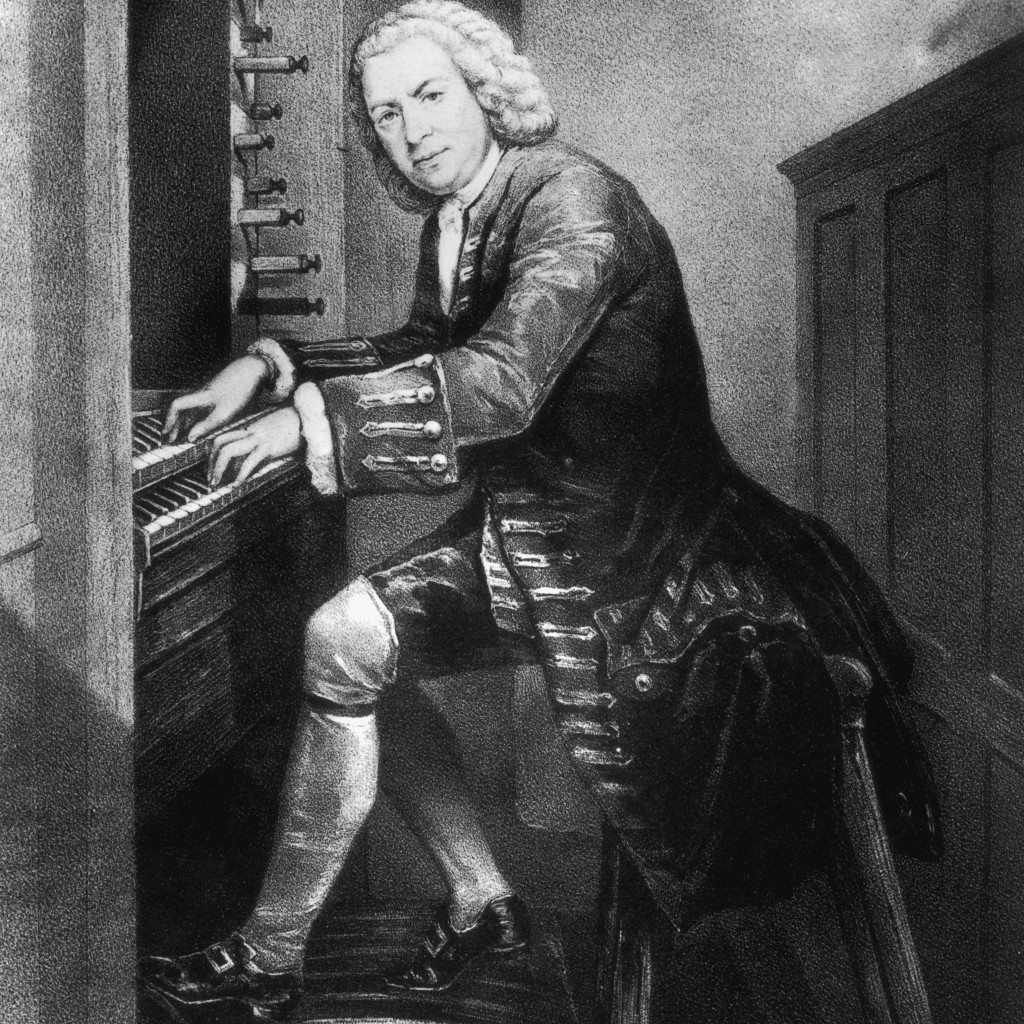
At one point, I’m not sure why, I decided to input a piece by Bach, a short movement from a suite for lute. It took about a half hour to click in all the notes, and then I went to get my brother, as per usual, and I did not tell him it wasn’t my composition. After listening, he took off the headphones and nodded, and after a while he said: “That’s really good. Yeah, that sounds pretty great. I mean, it could use some polish. But I really think it’s coming along.”
To be fair, the synthesized lute in the program isn’t as quaint or vibrant or flattering as the vibrations from a real instrument. But behind all that digital buzzing was every bit of Bach’s genius—genius. The counterpoint, the multi-line melody, was all there, and even the synthesized playback accomplished music beyond my wildest ambition. And yet, because it was (supposedly) my composition, it couldn’t possibly be brilliant—which is partially true, as I was not even a good composer. But I find it interesting that anything I might have composed, had it even been equal to Bach’s music, would have never been recognized as brilliant, if only for the simple fact that I had written it, and I was not exceptional.
This is not to say that within everyone is the buried talent to compose music like Bach—certainly he was born into a family of mentors and considerable opportunity—but the claim that nobody can attain what he attained, or what any great artist has achieved, is unwarranted.
A writer once told me that he and I would never write books as good as has been published, that even what J.R.R. Tolkien accomplished we could never equal, so we should be satisfied with the actual writing of books, and not care about working toward such achievement or ability. I disagree. In fact, because J.R.R. Tolkien, a human being, accomplished such magnificent work, I know—it is proven—that it can be done. So I graciously accept the inspiration and seek out artwork of my own designs.
People are duped by glorified praise that the great humans were something greater than human. They were born with a supernormal brain, or pumped magical blood, or owned talent beyond the hope of wishing. This isn’t true. What they achieved they achieved through hard work, through perseverance, in the knowledge that they could indeed accomplish great things, or were at least free from the doubt of their capability. Whatever is your work or art or ambition, work hard and know that you can achieve masterworks.
As J.S. Bach himself said: “I was obliged to be industrious. Whoever is equally industrious will succeed equally well.”


Thank You for Reading!
If you'd like to get the latest updates, visit the Get Updates page. Remember, I am not the final authority on these subjects: everything said above is purely opinion, and should be received as such. Consult your local librarian for recommended experts. Your opinion matters as well, so comment below to share your thoughts.