Prepositions,
On Ending With.
(There’s a sentence that ends with a preposition, to make the obvious obvious.)
Many people are strongly opinionated against the idea (you are probably one of them), because all their lives they have heard it is wrong wrong wrong to end a sentence with a preposition. “But why?” That’s what I ask people who critique a sentence for it. Why? They can’t say. It’s just absolutely wrong—grammatical crime, in short.
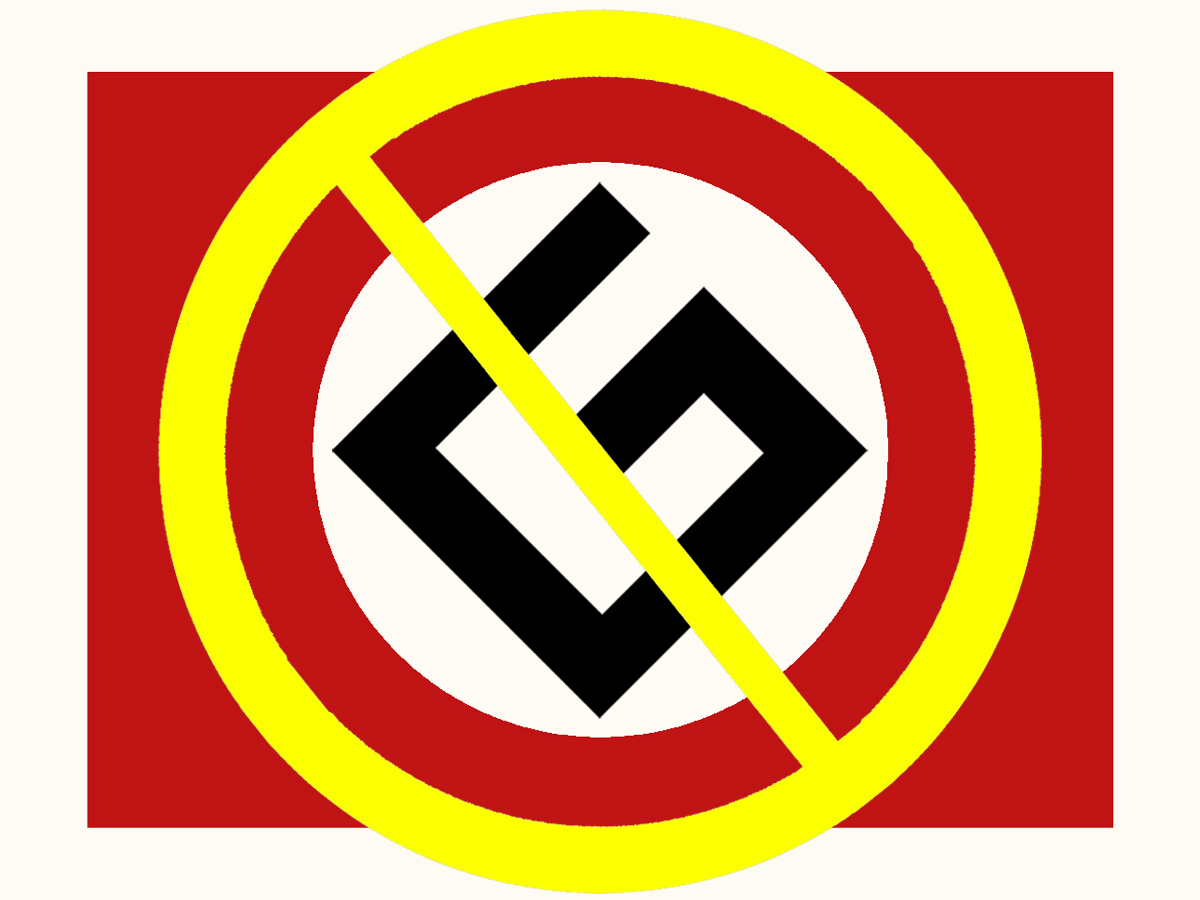
NO MORE GRAMMAR NAZIS!
True, it can serve as a helpful guideline: if you end a sentence with a preposition, look back and make sure it can’t be improved—and by improved I just mean simplifying, clarifying, maximizing word economy, etc. On the other hand, this is only a guideline, and it’s meant to serve improvement.
To steal an example from a past communication of mine, consider: “What did you kill her with?”
(I apologize for the lack of context.)
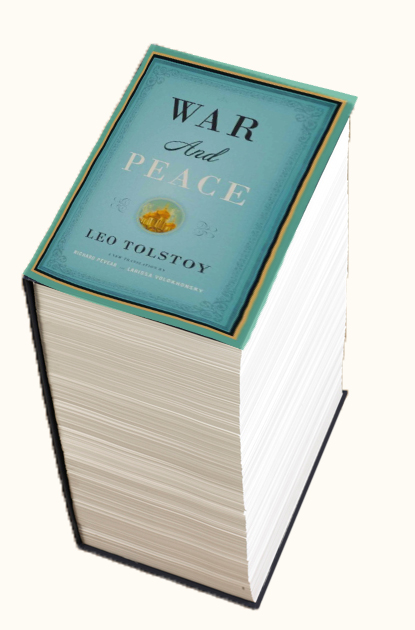
This by far utilizes better word choice than other possibilities: “With what did you kill her?” or even, “What did you use to kill her?” The first is awkward and distracting, and neither are qualities that produce efficient communication. The second needlessly adds length and complexity with an extra word, a good example of poor word economy. Though one extra word seems inconsequential, at this inflation rate War and Peace would be about two-hundred pages longer. (Or with some good editing, possibly two-hundred pages shorter.)
To argue more deeply, terms must be defined.
What is a preposition? Simply put, a preposition is a word that expresses spatial relation between two ideas. (Crashed onto his bed. Jumped over the gun. Walked toward the girl.) As you can see, without prepositions we would forever be forced to destroy furniture and act too hastily and treat other people like pets. With them, we are saved.
Next, what is a sentence? Generally, a sentence is a unified group of words that convey an idea, usually beginning with a capital letter and ending with appropriate punctuation. But a sentence is only one unit of many—one small cog of a larger mechanism. It is not isolated from every other sentence around it. The period, or full stop, does not indicate absolute separation. In fact, the purpose of punctuation is to unify, not divide. Punctuation fills the void between one thought and the next, informing you how to properly respond as a reader (e.g., take a breath, pause, question, etc.) In this case, a preposition at the end of a sentence can still do its job as a preposition, by expressing the spatial relation between two ideas, even if interrupted by punctuation.
All this is to say, don’t forfeit succinct communication for the sake of a “rule”. Communicate at all costs. If ending a sentence with a preposition produces the cleanest communication, then a preposition is what you should end it with.
(“…then a preposition is the thing with which you should end your sentence?”
“…then a preposition is what you should use to end your sentence?”
“…then a preposition—with which you will end your sentence—is what you should use?”
…I think you get the point.)