The What Gatsby?
Here I go again, hating on the classics. I feel like articles filled with my “gushing” over favorite novels just wouldn’t interest you. Maybe this way I’ll get the adrenaline going and you might have the energy to read an entire piece, or maybe I might spark debates—heated, useless, circumlocutional Facebook debates—that everyone finds so life-fulfilling.
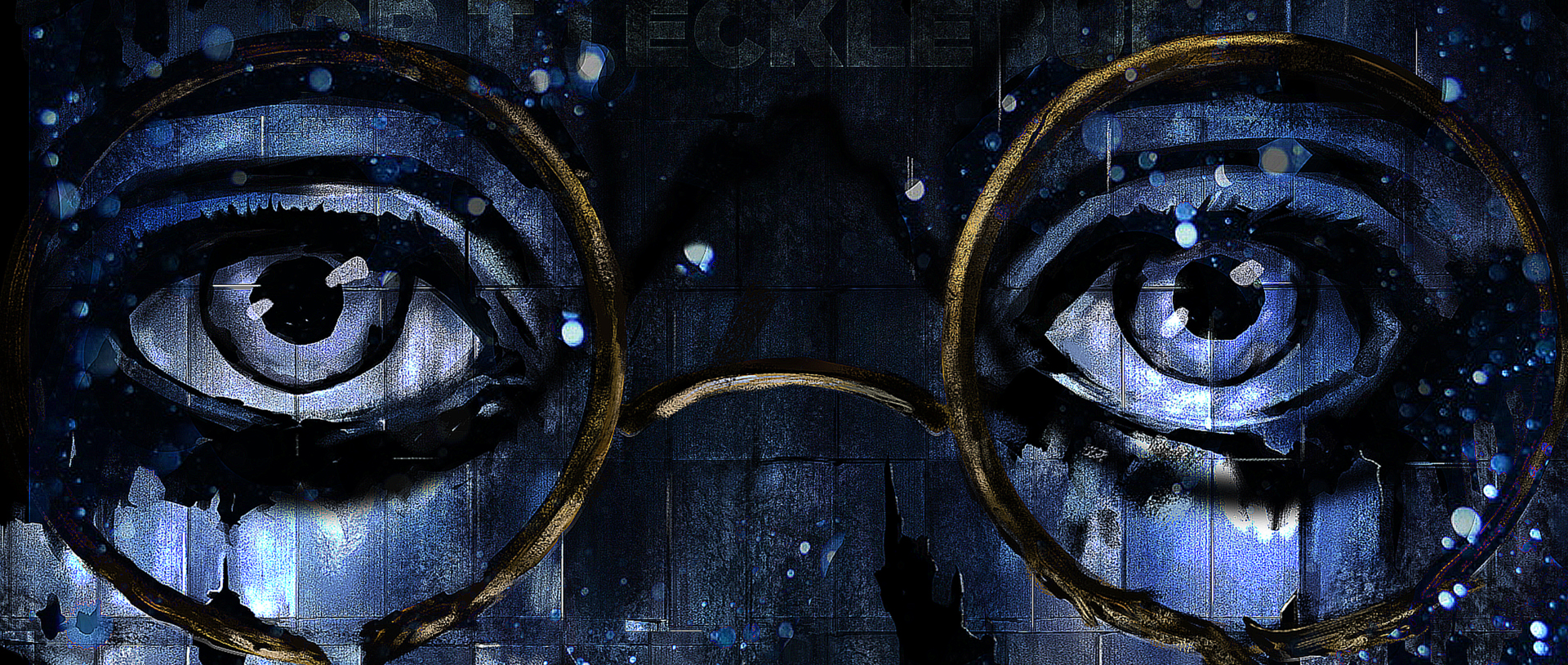
I should first say that I do like The Great Gatsby for its prose. There’s no denying that Fitzgerald was a good writer. Gatsby is lyrical—not too much to be distracting, just enough to work as narrative—and yet still highly poetic in style. Fitzgerald was definitely conscious of the phonetic aesthetics of language, and wrote with his ear. At worst, you can let your eyes glaze over the page and just listen to the sentences.
Beyond its lyricism, though, the story is just wanting. I find it hardly a Great American Story—the plot is little more than a contrived tragedy. I don’t care how much talk there is about its “commentary on the American dream,” the story itself just isn’t the stuff of a masterpiece. This is why no film adaption of Gatsby has turned out to be a great film: the story just doesn’t hold up without Fitzgerald’s poetry. When it comes down to it, there’s no element in these art forms more important than story.
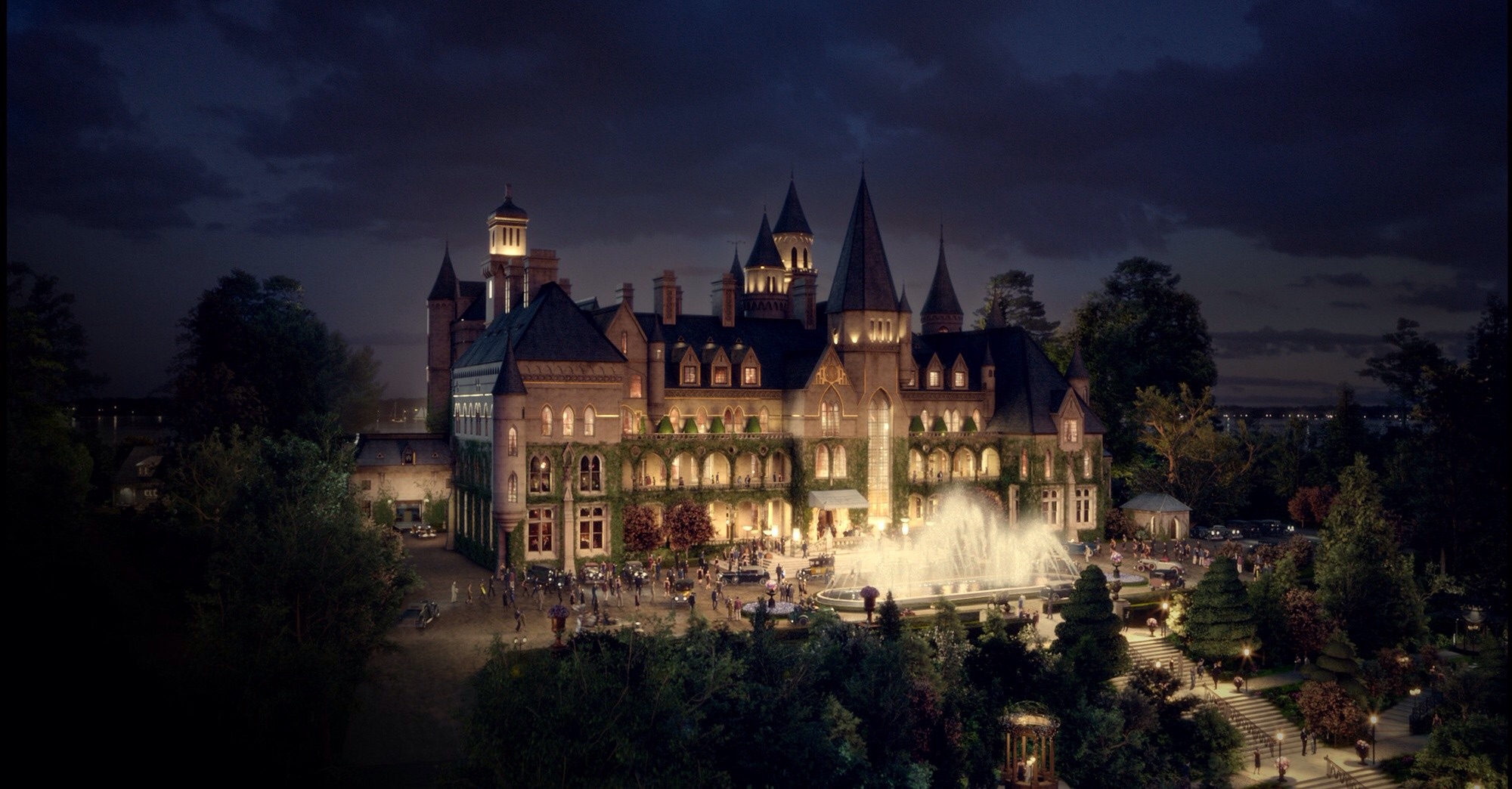
I think most people claim Gatsby is great, or their favorite book, or the Great American Novel, because of what they’ve heard—similarly as with To Kill A Mockingbird. When I have asked anyone why they attribute it so much greatness, I’ve always gotten answers like, “Well it’s such a great commentary on the American dream,” or, “It’s just so brilliant with its symbolism. You know, the colors, the eyes—that light at the end of the harbor?” And more and more it seems like people are just reciting what they’ve heard. Many of the people who “love it” do not show any further proof of literary understanding, from what I can tell, so when they say The Great Gatsby is “so amazing,” I assume they’re just repeating widely accepted opinions for safety sake.
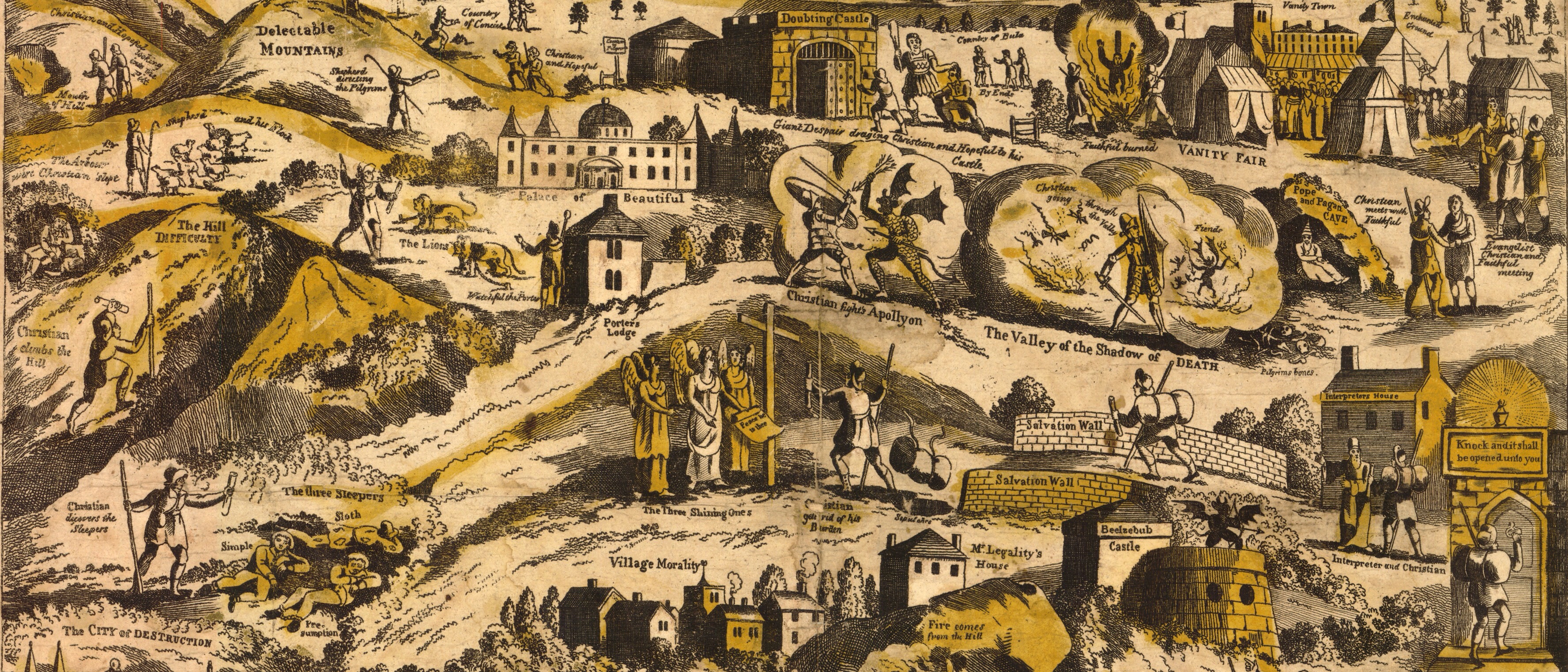
As far as symbolism goes, it becomes a failure when it becomes conspicuous. Symbolism that draws attention to itself fails to accomplish its function, which is to supplement vivid illustration to otherwise overly ideological concepts. I wonder why a book like Pilgrim’s Progress isn’t praised above and beyond Gatsby. Bunyon’s work is both intricate and subtle, by far a better example of symbolism than Fitzgerald’s novel. Beyond the fact that it’s a Christian work (one directly analogous to the Bible, which probably explains why it isn’t popular) it should be considered one of the greatest books ever written, according to the reasoning of Gatsby readers.
I have a feeling that the book’s length is a factor here. It’s one of the shortest classic novels in the canon, just over 47,000 words which could be (conceivably) labeled a novella (a 60,000 word novel is commonly considered short). Mark Twain said that a “classic” is a book that people praise but don’t read—something that proves to be true, for the most part. Most classic works, especially the victorian stuff, are often long and convoluted. But Gatsby is short, so people can push through relatively quickly and have the bragging rights on finishing a “Classic.”
[Note: capital C.]
The story itself is an austere soap-opera. You have to remember this is coming from the same nihilistic era as other works such as Steinbeck’s, who thought that a dramatic death scene to end Of Mice and Men was more valuable than the relationship between George and Lennie, and thought, evidently, that tragedy in all cases is profound. It’s almost that kind of amateurish impulse—right after an aspiring writer discovers the power of tragedy—to go killing off characters or subjecting the world to harshness because the writer feels powerful for having that control over the reader, feels like the smart one in the know of reality. But tragedy is only profound in the wake of something more—like Romeo and Juliet, whose story was deeper than a mere death scene, whose deaths actually brought closure to the conflict between their families. But George blowing Lennie’s brains out, or Gatsby’s corpse floating in the pool, or Myrtle stuck to the pavement, you can just picture Steinbeck and Fitzgerald grinning and saying, “Haha! See what I did? It’s so profound!” And it just seems far more corny than depressing—or whatever else these tragedies are supposed to accomplish.
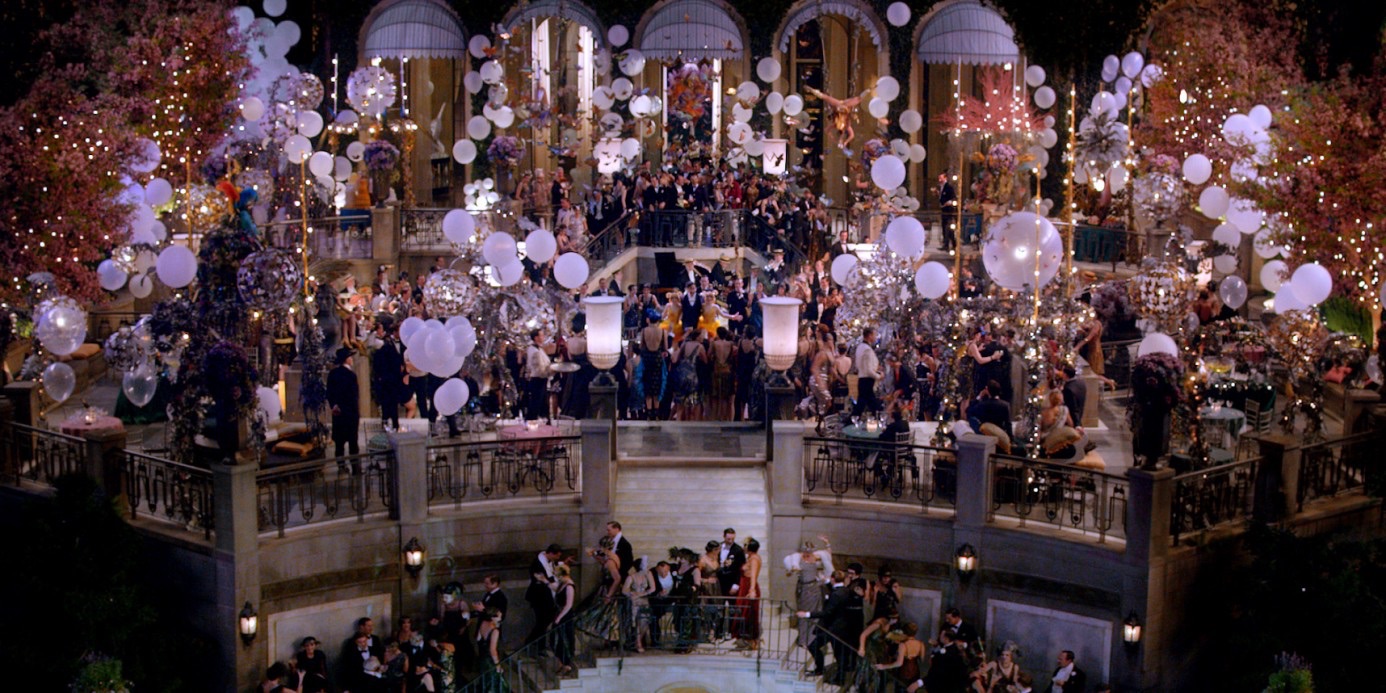
I would have a different opinion if Gatsby readers (at least those I’ve talked with) praised the book for its story, enjoyed it for the experience of being there in West Egg at the roaring parties in Gatsby’s mansion. But nobody has conveyed this to me, has not been moved by the experience, does not return to it because they can’t wait to experience it all over again. In that sense, I’d have to say that novels like The Hunger Games or even Twilight each achieve their function as a novel better than The Great Gatsby. Perhaps they’re not better books (I can’t say, as I’ve read neither), perhaps they aren’t better intellectual material, or commentaries, or whatever, but a novel is meant to first provide an experience before anything else. What does it matter if it commentates on the world or critiques society or castigates silly ideas if it doesn’t accomplish its primary function?
I could go on. But instead I’ll stop here, and allow you the opportunity to explain why you like and praise (or dislike, or avoid) The Great Gatsby. Feel free to leave your comments below.


Thank You for Reading!
If you'd like to get the latest updates, visit the Get Updates page. Remember, I am not the final authority on these subjects: everything said above is purely opinion, and should be received as such. Consult your local librarian for recommended experts. Your opinion matters as well, so comment below to share your thoughts.