Long Live E-Books!
… And Every Other Kind.
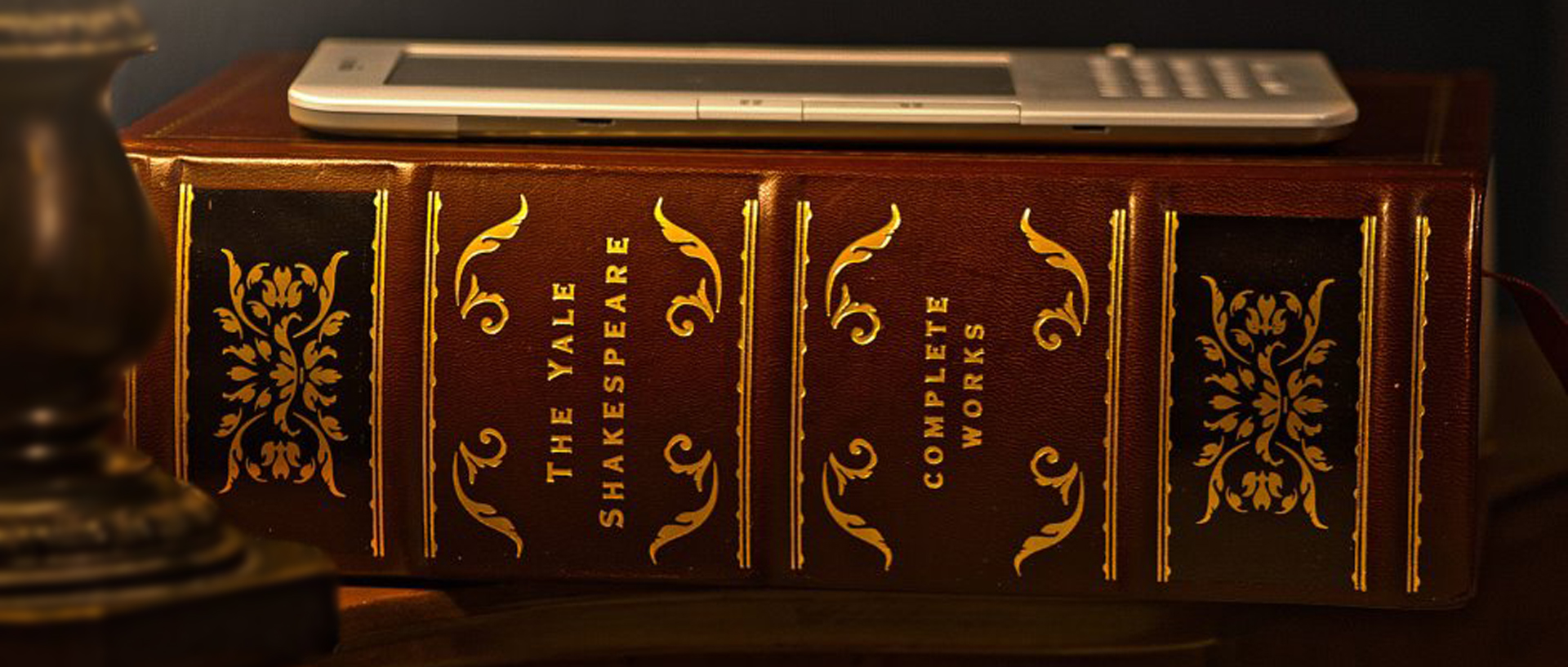
I admit I have a thing for physical books—most people do. It’s tradition, the printed page. Books may be the oldest technology still in use today, and it’s hard to escape the sentiment of material things of such age. In the bookshelves in my bedroom I have at least four-hundred “real” books, so I am not at all indifferent to them.
That said, I do not agree with the idea that real books are better than e-books in any sense. Well, perhaps monetarily, perhaps as heirlooms, but not better in terms of books. Of course, if your definition of a book is “groups of paper sandwiched between two boards,” then I agree, e-books make for sorry paper sandwiches. But there is more to a book than its paper and ink and bookboard.
I came across this quote by writer Ray Bradbury (author of Fahrenheit 451):
“I still love books. Nothing a computer can do can compare to a book. You can’t really put a book on the Internet. . . All the computer can give you is a manuscript. People don’t want to read manuscripts. They want to read books. Books smell good. They look good. You can press it to your bosom. You can carry it in your pocket.”
(It should be noted here that Bradbury went on to sell his e-book rights in a seven-figure deal—which smelled a lot better, I suppose, than even books.)
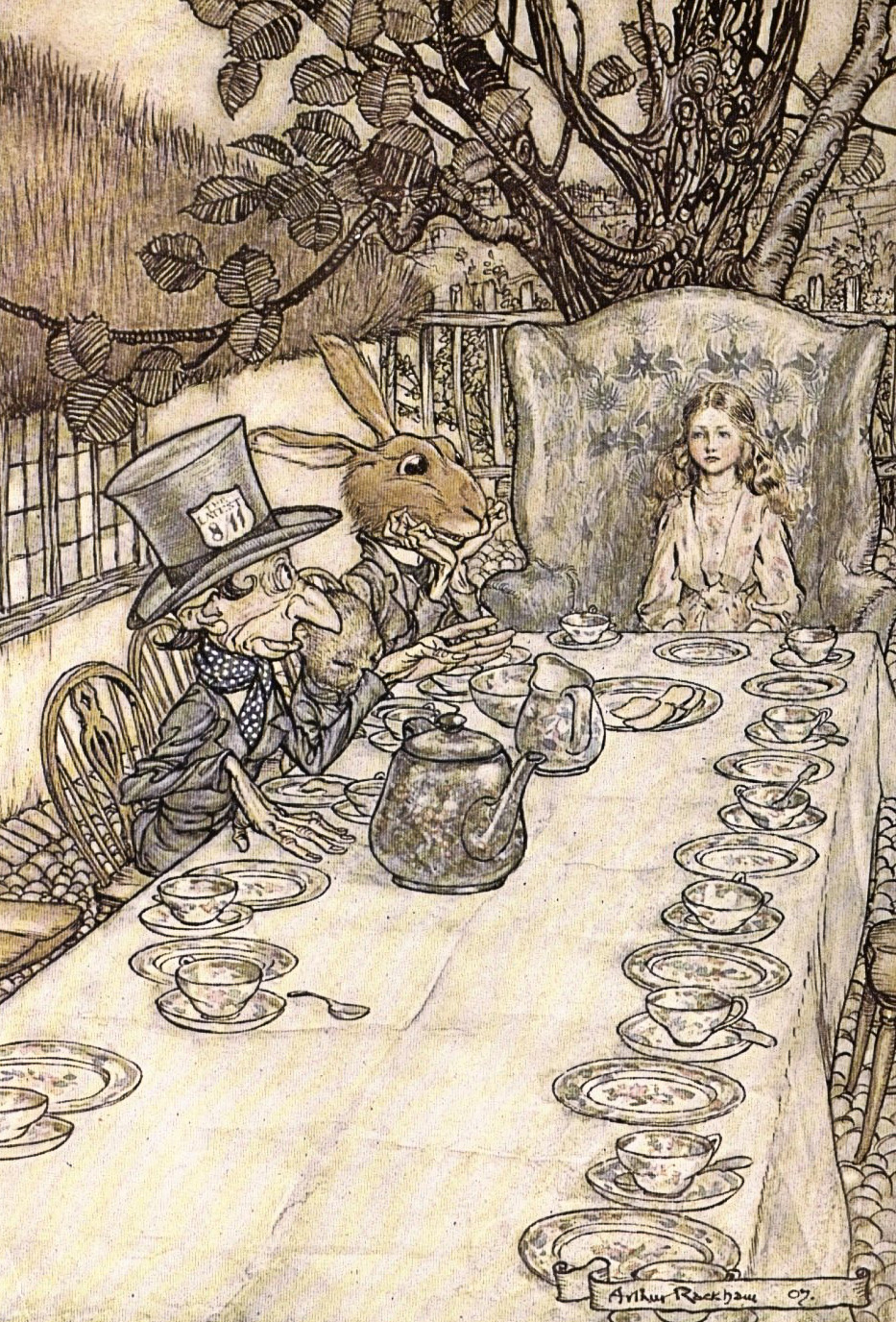
For some reason, maybe I’m strange, but I don’t like books because I can carry them in my pocket. In fact, aside from a Moleskine, I can’t remember ever carrying a book in my pocket before. And I don’t make a habit of pressing them to my bosom—they’re a lot harder to read that way. Yes, they look good, and admittedly the smell of them is only beaten by well-roasted coffee or possibly Russian Caravan tea. Still, I try not to go around bookshops and libraries smelling them, since people tend to stare.
If a book is the communication between a writer and a reader, and more specifically a work of written language, does it matter if the text—the same text—is presented by ink or pixel? From oral tradition before the discovery of writing, to the handwritten word, to the printed page, to recorded narration, to now e-books, storytelling has evolved, but never fundamentally changed. Storytelling is storytelling, and a change so minute and inconsequential as the medium by which a written story is presented should make little difference to us if we care enough about the words themselves.
Of course there are other implications here. E-books have made self-publishing possible for anyone with an internet connection—the big players in the game, namely Amazon and Barnes & Noble, have opened their platforms to anyone interested in becoming a bona fide author, to anybody who ever dreamed of having their name on the front of a finished work. This may not bode well for the book economy, might overpopulate the market with predominantly poor work, overswarming the great books rare to be found, leaving those with the time and money for advertising to rise to the top. On the other hand, these mostly uncharted badlands of digital books offer freedom to the great writers as well, who would otherwise never obtain any amount of recognition or readership. Since major publishers no longer concern themselves with quality (excepting some), and rather ground their choices in the whims of phenomenon—accepting only books that promise the most sales—good writers must blaze their own trail to achieve any form of success, must build their readership slowly and painstakingly, and never hope too highly for vast riches.

(A metaphorical and hopefully inspirational picture from nature to kind of represent the badlands of digital books.)
The world of words is changing, in every way it seems, but stories will remain to be stories, and nothing will substitute the value and enjoyment of a good one. Whether physical or digital, what matters more than any individual medium are the tales they contain.


Thank You for Reading!
If you'd like to get the latest updates, visit the Get Updates page. Remember, I am not the final authority on these subjects: everything said above is purely opinion, and should be received as such. Consult your local librarian for recommended experts. Your opinion matters as well, so comment below to share your thoughts.