What’s the Fuss About
Miss Austen?
I hate to be the literary naysayer, criticizing beloved classics and supposed masterpieces. But this time, you readers have some explaining to do.
A while ago I read Pride and Prejudice in full. Admittedly it was required reading, admittedly I gave it little attention, and in those days I could just barely compose a sentence, had hardly any literary understanding, and absolutely no idea what a Tolstoy was. Recently I gave it another try, but this time I didn’t make it through completely. Stopping a book midway is no habit of mine, and I am hard put to justifying it.
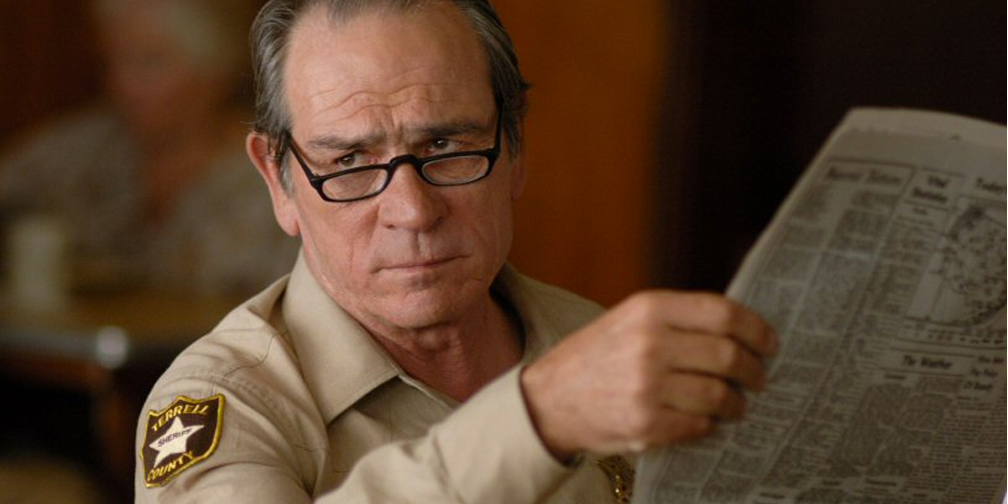
But in this case I found little to justify reading to the end. I sampled the writing style, the world-renowned wit, and as far as the story is concerned, most people are familiar with it. What I initially found annoying was the near-complete lack of description, or of any authenticating detail—or even anything to set the scene, beyond a character’s blue coat and black horse, details which were (to quote) “ascertained” by other characters. I went back to the beginning and imagined the story taking place on a colonized Mars. There were very few contradicting details, if any. (Which is why the series of those blasphemous mutations of the original novel, Pride and Prejudice and Zombies and the like, are possible, because there’s really nothing that might contradict them.) Not to say there is need for copious description—in Cormac McCarthy’s No Country for Old Men, to use an example, there is almost no description whatsoever, all is given over to the imagination. Yet, in the way it’s been constructed, there is no mistaking the landscapes.
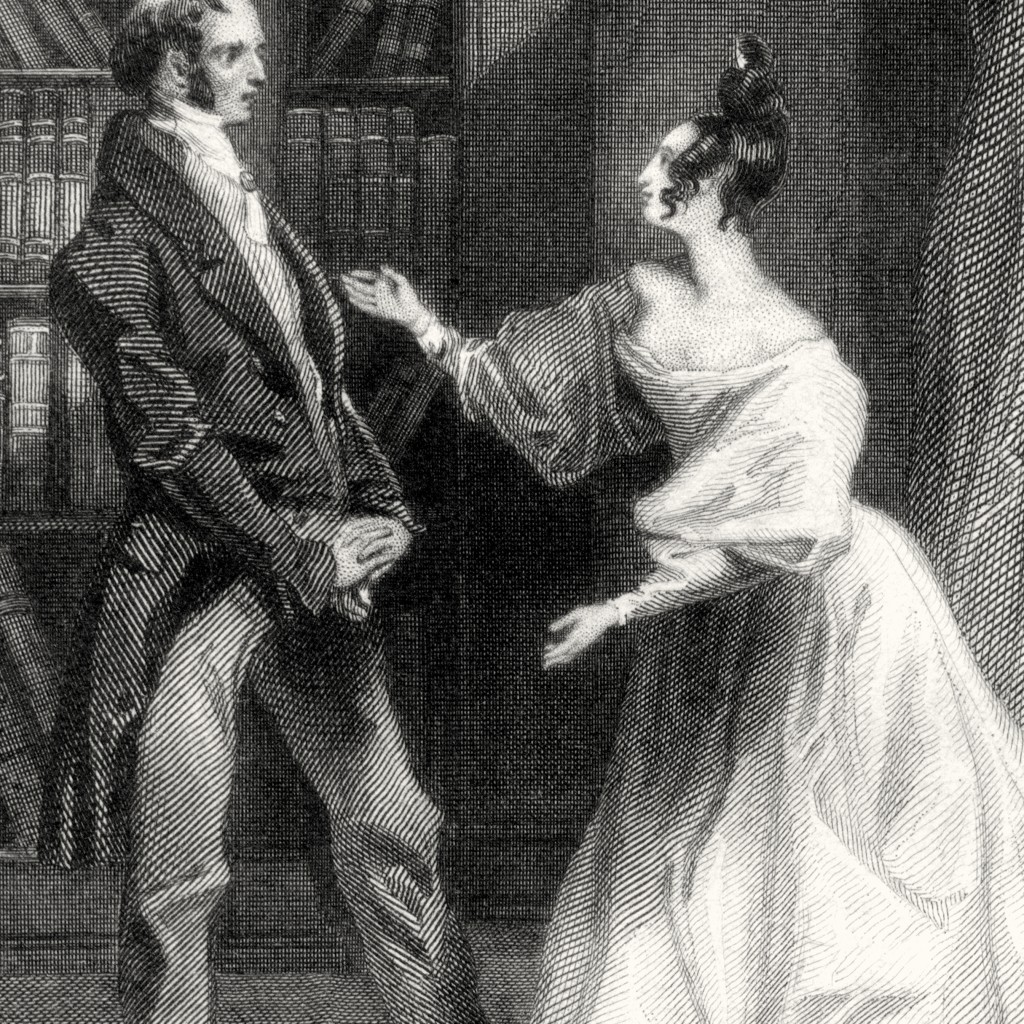
Tired of her cliched “best” work, I turned to Northanger Abbey which, as I was told, is one of her better novels, an opinion supported by further research in literary criticism. This one is reasonably short, so I made it to the end. I had expected maudlin romance, the kind of theatrical sap characteristic of the genre, but I found none, which was (ironical and perhaps hypocritical of me to say) very unfortunate. Unfortunate because it would have, at the very least, given me reason to laugh. I have to say, this was the most boring reading experience I’ve ever had—actually, more accurately, this is the only boring reading experience I remember. The most exciting event is a carriage ride. The rest of the pages are taken up with bookshop visits, long dialogues concerning what novels the characters are reading, and teas in which the characters themselves seem bored. Then the climax of the (cliche) romance plot—which was really only a subplot, only vaguely implied within the rushing, non-stop action of tea parties and very English socials—fell completely flat. The very fact that Catherine and Mr. Tilney did, in fact, marry at the end is written completely in the passive voice, and is itself only vaguely implied. It is only barely anticlimactic, however, because the story only plodded along from the beginning, never increased in pace or excitement—but it is anticlimactic nonetheless, which was evidently unintentional on part of Jane Austen, if she gave thought to it at all.
Perhaps this is all a realistic depiction of society, or at least of Austen’s experiences. But if that’s the case, I cannot figure out why she would want to relive the boredom. I’m also aware, and was aware while reading it, that it is a parody of another gothic novel, and perhaps if I’d read that novel I would better appreciate Northanger as a parody. And I’m sure I would. But, as far as I can tell, a decent parody is all it could possibly be. And I have no explanation for the readers who find it “exhilarating,” unless they just have a strange fetish for gothic parodies.
I remember a conversation I once had with a rabid Austen fan, before I had read Northanger Abbey and before I had attempted to re-read Pride and Prejudice. When I mentioned the phrase, “romantic novel” she seemed to take offense. “No! Jane Austen’s work is like more than romance novels! It like goes way beyond that!”
I have looked at pictures and scans and detailed drawings of the human brain, researched rare diseases and memory-loss related symptoms, hoping to figure out what part of my brain is just not properly functioning whenever I open up a Jane Austen novel. There is a significant piece of information I must be missing. Or maybe I’ve just chosen the two worst Austen novels, and I should just go try all the others.
If you are a Jane Austen reader, maybe you have an explanation for all this? You can type your thoughts in the comments below, I’d appreciate them. In the meantime, I’m going to visit a Literary Neuropharmacologist and ask for a Jane Austen pill.


Thank You for Reading!
If you'd like to get the latest updates, visit the Get Updates page. Remember, I am not the final authority on these subjects: everything said above is purely opinion, and should be received as such. Consult your local librarian for recommended experts. Your opinion matters as well, so comment below to share your thoughts.