A Film Odyssey:
The Cinematic Experience
Film is visual art. It has nearly all the power of painting, has the capacity to present dreams in equal color and dimension. In a sense, film is painting in motion. It’s powerful for its ability to present a visual experience, more vividly than even the written word to some extent. But something significant is lost when film is brought to smaller screens, to the home tele, or worse—computer monitors or smartphone screens—since much of the power of film is in its magnanimity of presentation. Though perhaps a story can be comprehensively told on a small screen, film as an art cannot be fully appreciated outside of the cinematic experience.
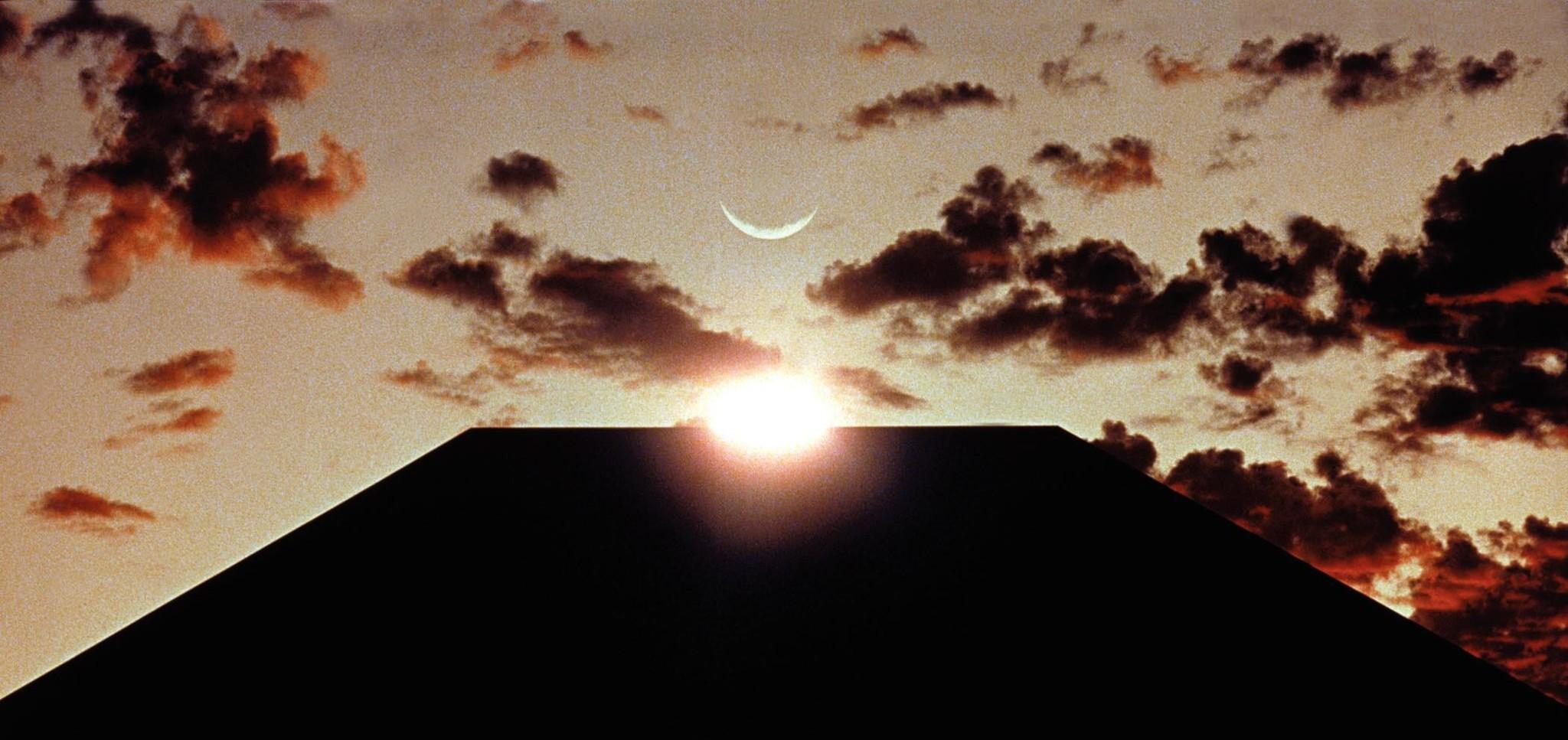
So when one casts a film like Kubrick’s sci-fi blockbuster 2001: A Space Odyssey onto a TV screen, squinting to see microscopic faces across the room, one begins to wonder what all the fuss is about. “The greatest sci-fi film ever made?” And after half an hour of what appears to be the trippy sleep screen on a PC, one then tries to determine why film critics praise a movie about glowing Space Babies as “ingenious,” even “legendary.” But one would find his experience similar with Lawrence of Arabia, another (seemingly) slow-paced film which (coincidentally?) came from the same era of cinema.
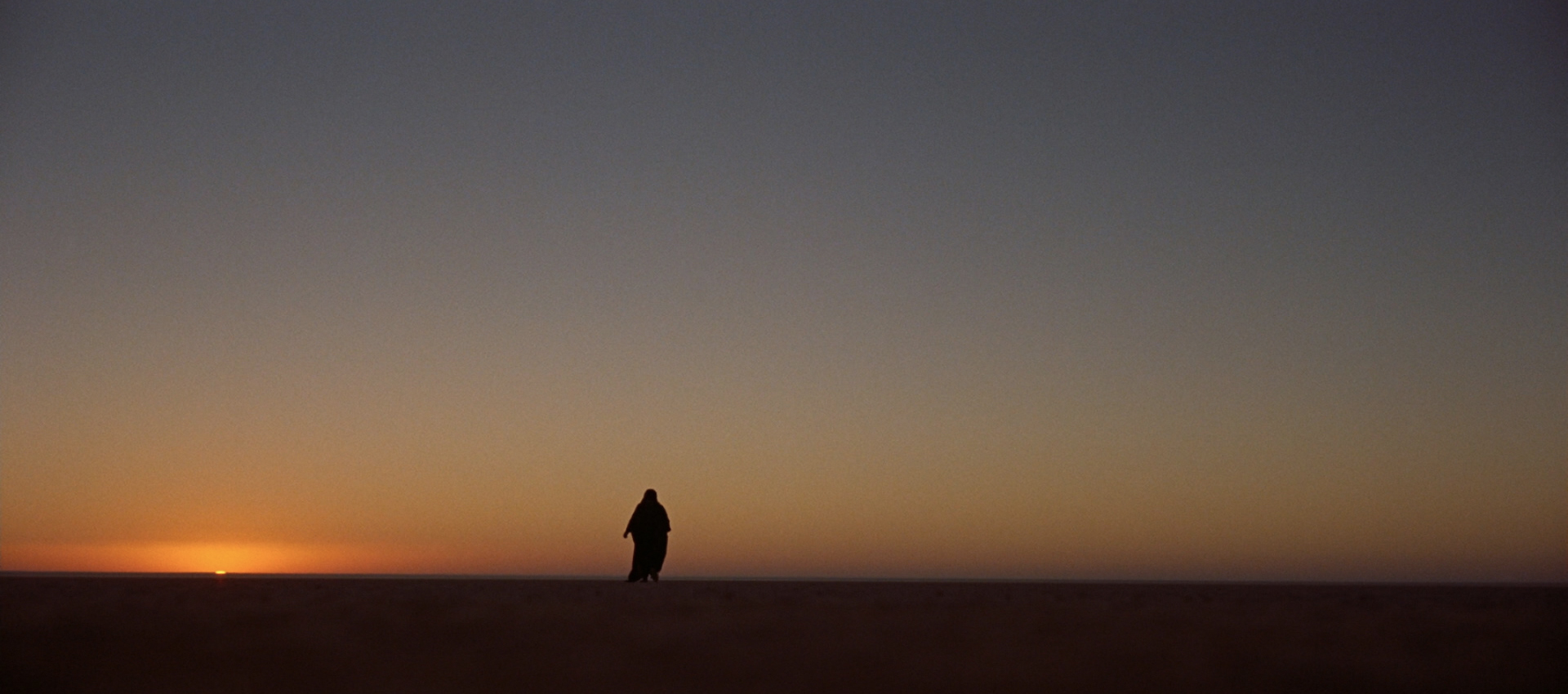
The problem here is that films are not meant to be viewed on tiny screens. The element of grand spectacle is what these films are all about, what makes them powerful, or “legendary.” When these films were being made, television was becoming a more dominant form of entertainment. It was easier, more convenient, to stay home and watch nearly the same kinds of stories as offered in theaters—comedies, romances, dramas—and so there was less demand for the cinematic experience. So filmmakers needed to create something new, something grand, that could not be replicated on the tiny screens in the home. David Lean directed Lawrence of Arabia, a desert epic that would later be critiqued for length, but in broad Panavision at an aspect ratio of 2.20 it presented stunning landscapes, and proceeded to win the Academy Award for Cinematography, as well as inspire a boy to pursue a career in filmmaking (who would later direct Schindler’s List, Jaws, and Indiana Jones, to name a few).
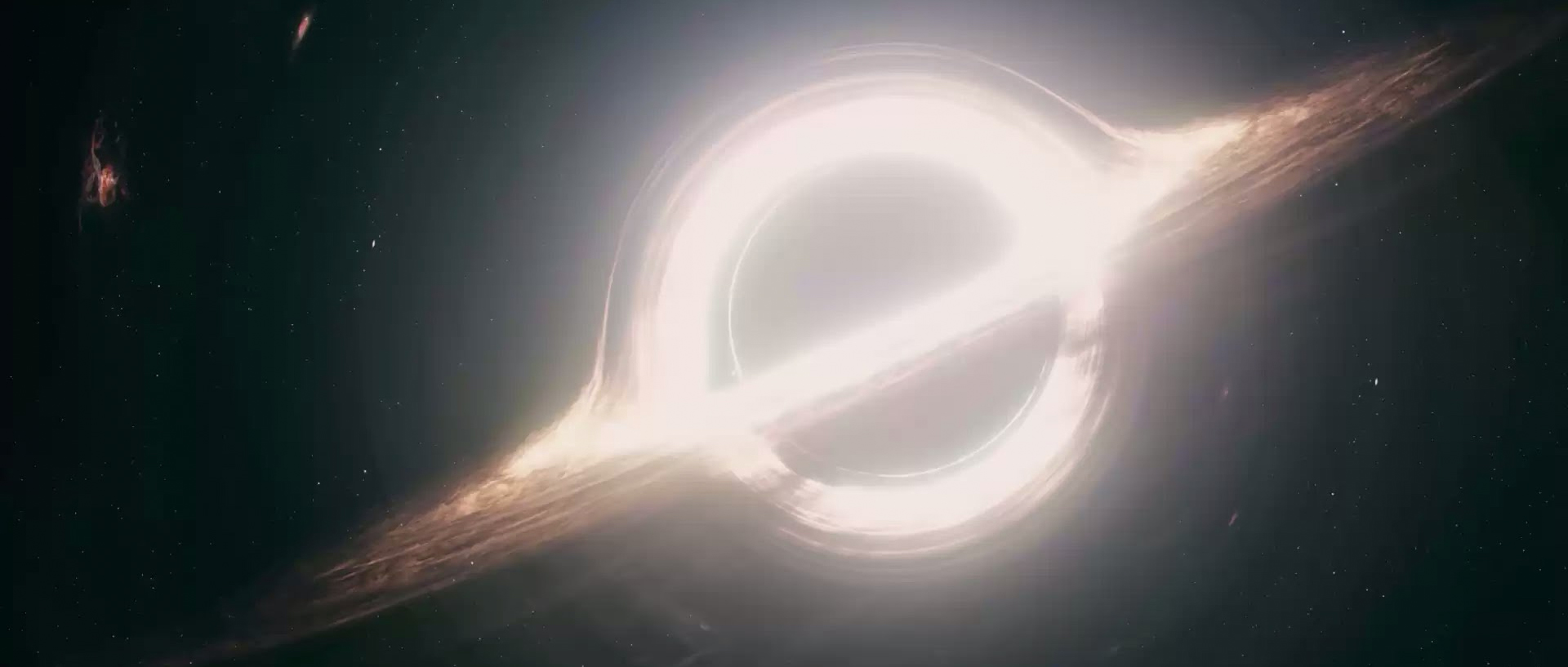
Kubrick’s 2001 proved to be similar inspiration for another young aspiring filmmaker, when it was re-released in the 1970’s. Interstellar is Christopher Nolan’s contribution to this canon of cinema (not necessarily to science fiction, since the film eclipses any specific genre, as any good art should), which continues this ideal of grand spectacle. In recent years, the gap between television and cinema has become increasingly smaller. Post-editing techniques have become easier and cheaper than ever, allowing TV the range of effects that once was only possible with big-budget films, leaving the difference between cinema and television mere panache. Even in terms of story, production studios are now satisfied with rehashing the same old plots, are contented to take what are effectively sitcom-length stories and ration them between intervals of forty-minute action scenes and explosions. Interstellar challenges the gap. Nolan has created cinema as it should be, which can never, and will never, be viewed justly on a small screen. Projected on 70mm film on IMAX screens, Interstellar brings back old technologies to accomplish a visual experience far beyond Kubrick’s 2001.

What is needed now in the film industry—what is needed to once again bring back life to the cinematic experience—are, maybe ironically, those older qualities. The dilemma is no longer technical. Audiences are used, now, to all forms of visual tricks and surprises, and are dulled to the thrill of them, the things lacking in the failing cinema of the past. Now films are lacking the qualities those older films had in riches—when special effects were all but unobtainable in that time, a movie either told a great story or failed. Now they can get by with cheap pizazz. Perhaps even more than in visual enthrallment, Nolan’s Interstellar offered something ultimately more valuable.
I sense something more fundamental at fault than flawed methodology, which is to say that the problem isn’t in the fact that filmmakers use CGI, but in their reasons to use so much so often. A great tale can be told without smoke and mirrors, as has been proven by any of the great novelists from the past centuries, and, in fact, is better told without those distractions. The flaw is in the lack of a good story, where then a burden of effects becomes a necessity, consequentially it’s in the lack of something worthwhile to say. Or, even yet more vitally, the disbelief in the existence of anything worthwhile to be said. If at the core of any story is some kernel of truth, the great stories are great for conveying to us, in a way not felt before, that specific truth, whatever it may be, in its full realization. But in the supposition that there is no truth, or people’s irresponsibility toward telling truth, there can be no more good stories—nor, indeed, stories at all. So all that is left is the fluff, the tricks and distractions, the smoke and mirrors, and cinema as it should be—art, painting in motion—is all but a thing of the past, already beginning to be forgotten.

Thankfully, I’m more optimistic than to end things here. I suspect with some redeeming, a man may turn his priorities to truth, and become a storyteller as only storytellers are meant to be. Here, then, may be found film’s salvation. At the end of the day, those two boys in their inspiration were not moved for their gullibility to tricks and gimmicks. I believe they sensed something deeper in those cinematic experiences, something they have been seeking and striving to convey in their own work, but something they still have yet to find.
Change is needed. Cinema, in its current form, is hardly worth the price of a ticket, when a comparable experience can be cheaply replicated in the home. Now that 4K, curved, OLED screens are becoming available in the market—pristine imagery that beats the average theater screen—one is hardly motivated to take the extra trouble and expense to visit the cinema. More tricks and gimmicks (e.g., Peter Jackson and his high-frame rate, 3D escapade) aren’t going to cut it.