Do we have Free Will?
Short answer: no.
Long answer? Well…
Beyond the great debate of the doctrines of Calvin vs. Arminius, the philosophical side, abstract from theology, is less talked about. Because of this, and since debates on this topic tend toward ill-disposed endings, I will focus on these ideas purely through the lens of common sense.
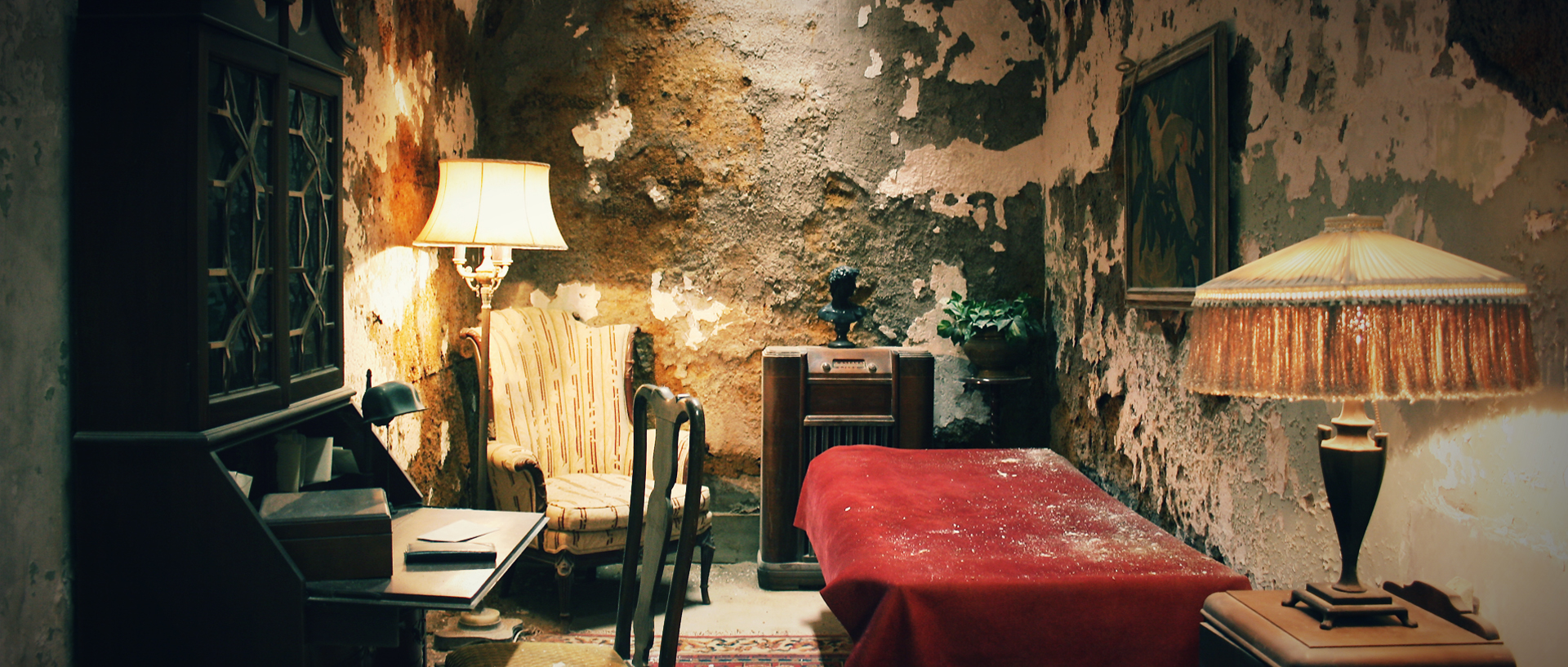
First, I’ll define the term. Free will is “the ability to make personal choices without the constraint of necessary fate.” That we have the ability to make choices, to choose between one thing and another, is an obvious reality: we can choose between eating one thing and another, or we might choose to eat both. But this does not prove that we have free will in the true aspect of the term, that we have the ability to decide our fates. Even a prisoner has the freedom to walk around his cell, to choose to sit on the bed or on the floor. Does this give him free will, to do and act independently?
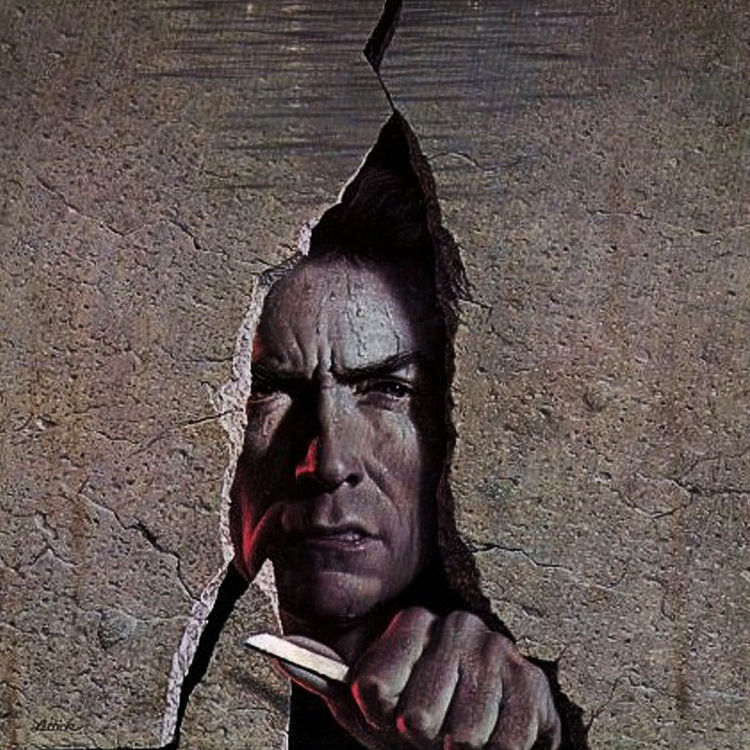
To push the illustration further, if this prisoner was given food to eat—tray slid under the door—he would have a free choice to either eat or not eat whatever was on the tray. But this choice was given to him by circumstance, not brought about by his own free will. No matter how hungry he felt, unless he was given food to eat, he would have no choice in the matter. Furthermore, even his very choice is persuaded by circumstance: he would, more likely than not, choose to eat the food, because he had gone for a long period of time with little sustenance. So it is shown that we do not even have control over our free choices, because we are constrained to physical bodies, and the needs of our bodies disturb the desires of our mind.
Ironically (or perhaps not?), our inabilities induce our belief in total free will. We are constrained to a singular experience, the human experience, perceived through faulty sensory-instruments—the eyes, the ears, the mouth, the nose, the touch, etc. Because of this we know nothing more than our encephalic calculations, perceive nothing outside of our limited experience. This now becomes an ethical problem, since it is our complacency and unwillingness to look beyond our own experience and desires that cause us to perceive nothing but ourselves and our own desires.
To have true free will we would have to exist outside space and time, or at least transcend their constraints. The prisoner would only have free will if he could do what he desired to do, which (presumably) is to escape his cell. And unless he has a sturdy spoon and a stalwart determination, his free will would have to supersede the constraints of physics—i.e., to walk through walls.
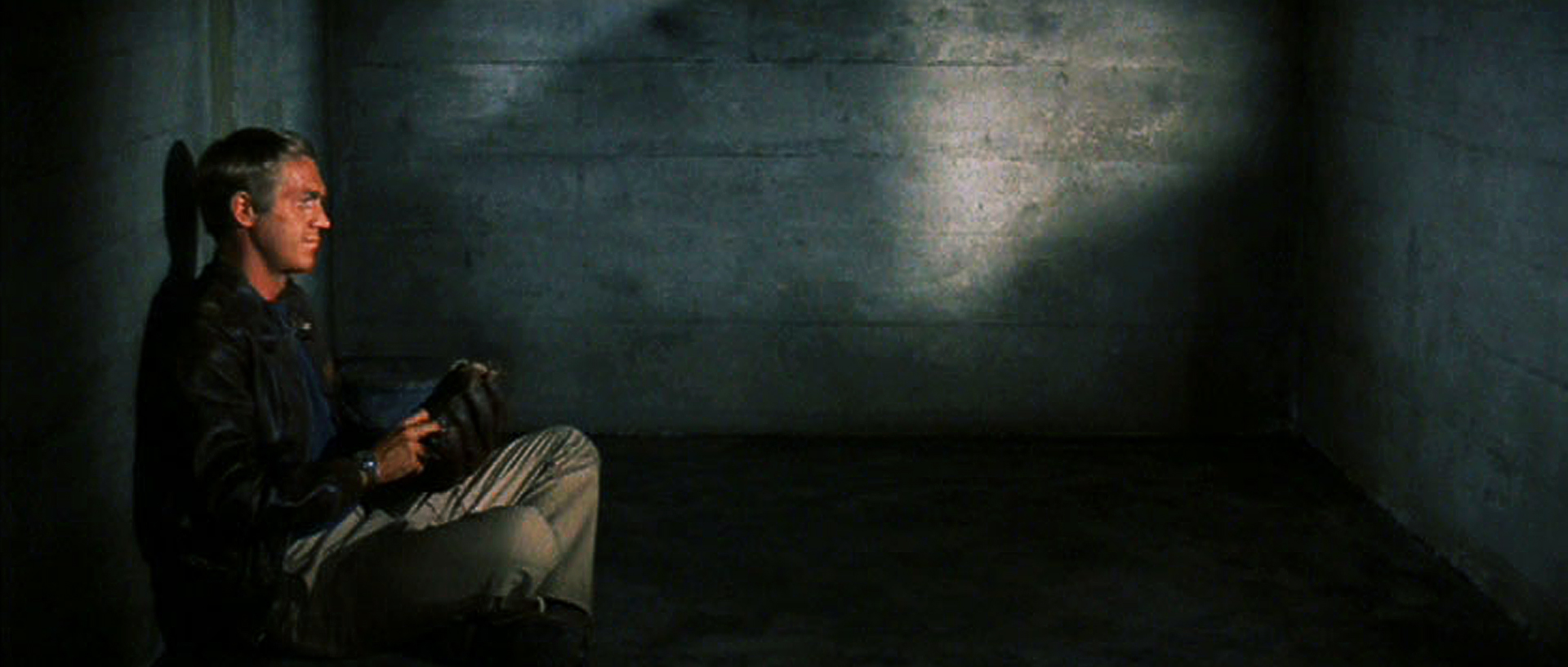
Since we are indubitably and inescapably constrained by these physical things, we must recognize that true free will is not one of our human attributes. If one were to extract a moral lesson from the tale, it would probably be the recognition of our finiteness and inability, the realization of our very unglorious experience, and that the fact that we are privileged to a choice at all is the very benevolence of so-called necessary fate.